

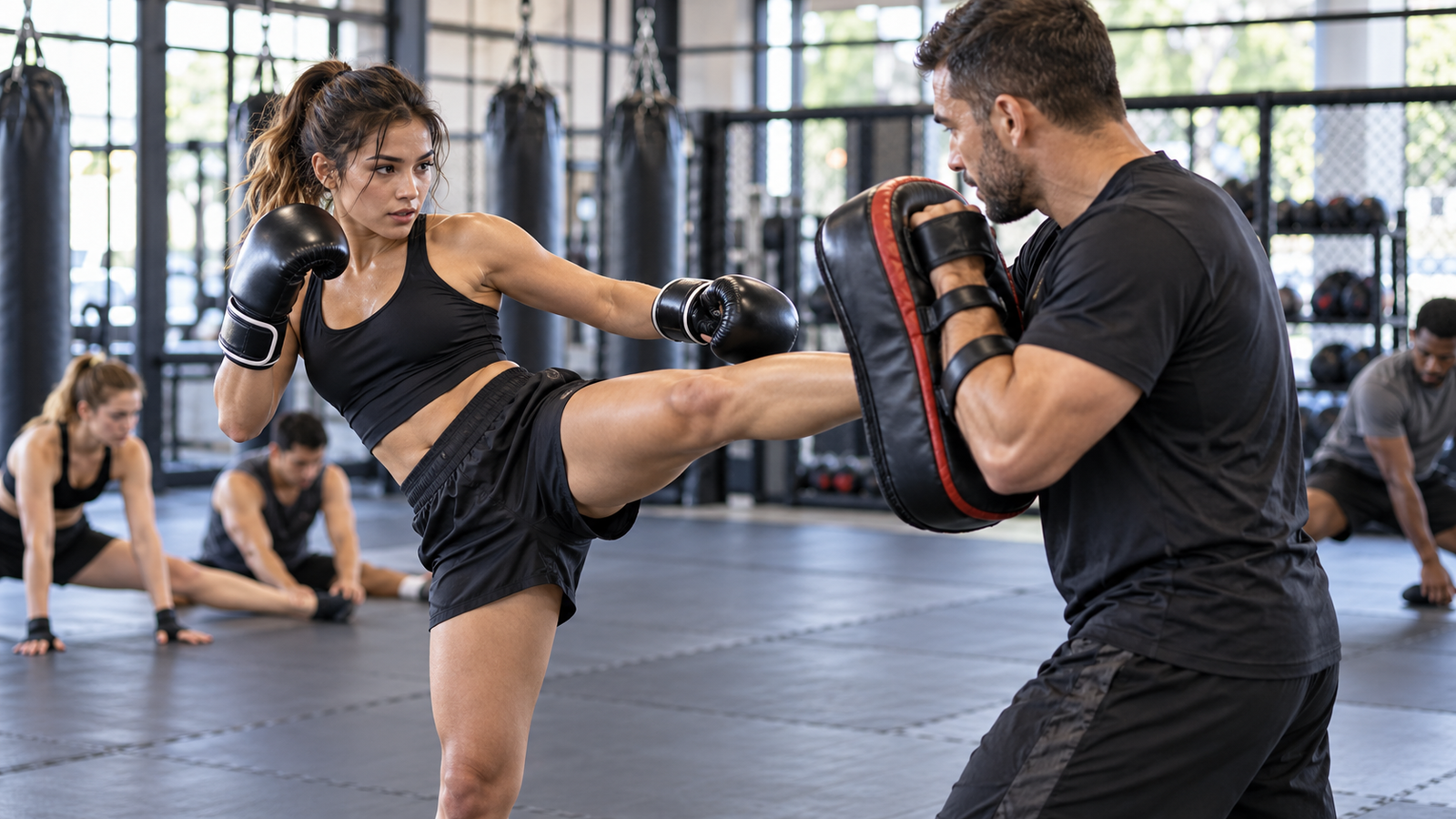
MMA gyms used to be seen as places only for fighters. You walked in and saw serious athletes getting ready for their next bout. That picture has changed. Today, many members have never stepped into a cage and never plan to. They train to get fit, learn self-defense, manage stress, and be part of a community. That shift is changing how gyms run. Class schedules look different. Coaching styles are changing. Gyms are adding services that have little to do with fighting. And members expect more from the places they train. In 2026, the most successful gyms are the ones that balance martial arts with what everyday people need.
In this article, I'll walk through the trends shaping MMA gyms this year, from beginner programs and women's classes to recovery tools, safety changes, and technology. I'll also explain what these trends mean if you're choosing a gym or running one.
Fitness-First Members Are Now the Majority
The biggest change is who's walking through the door.
Most members at many gyms aren't training to compete. They're office workers, parents, students, and retirees. They want a workout that's more engaging than lifting weights or running on a treadmill.
This has pushed gyms to rethink their classes. Many now offer:
- Kickboxing and Muay Thai fitness classes with pad work but no sparring
- Conditioning classes built around martial arts movements
- Beginner grappling classes focused on technique and drilling
- Shorter class options, like 45 minutes instead of 90
Fighters still train at these gyms. But the business often runs on members who come three times a week to stay in shape.
Structured Beginner Programs
In the past, new members were often dropped into regular classes and left to figure things out. Many quit within the first month.
Gyms have learned from this. More of them now run structured onboarding programs, such as:
- Fundamentals courses lasting 4 to 8 weeks
- Separate beginner class times
- Clear progress steps before joining advanced classes or sparring
- Assigned coaches or mentors for new members
This helps beginners feel less lost. It also helps gyms keep members longer, which matters more than signing up new ones.
Growth in Women's Training
Women are one of the fastest-growing groups in combat sports. More women are training for fitness, self-defense, and competition.
Gyms are responding with:
- Women-only classes, especially for beginners
- Female coaches and instructors
- Self-defense workshops
- More visible women's teams and competitors
Women-only classes often serve as an entry point. Many women later move into mixed classes once they feel comfortable. Gyms that create a welcoming space tend to see this group stay and grow.
Kids and Teen Programs Keep Expanding
Parents are signing kids up for martial arts for focus, confidence, discipline, and anti-bullying skills. Jiu-jitsu and wrestling are especially popular for children because they teach control without striking to the head.
Strong kids programs usually include:
- Age-based groups
- Clear rules and safety standards
- Belt or stripe systems that show progress
- Coaches trained to work with children
For gyms, kids programs often bring steady income during daytime and after-school hours. They also bring parents, many of whom end up joining adult classes.
Brazilian Jiu-Jitsu Continues to Lead
BJJ has become one of the main reasons people join MMA gyms. Some members never take a striking class at all.
A few reasons for its growth:
- It's lower impact than striking, with no punches to the head
- People of different ages and sizes can train safely
- It works as both exercise and problem-solving
- Grappling events and online content have made it more popular
No-gi grappling is also growing fast. It's simpler to start, since members don't need a gi, and it carries over directly into MMA. Many gyms now offer both gi and no-gi classes on their schedules.
Older Adults Are Training Too
More people in their 40s, 50s, and older are joining MMA gyms. They want to stay strong, mobile, and active.
To serve this group, gyms are adding:
- Masters or "over 35" classes
- Lower-intensity options and modified drills
- More focus on mobility and joint health
- Light, controlled sparring or no sparring at all
Older members often bring stability to a gym. They tend to stay longer and pay on time.
Smarter Sparring and Safety Focus
Hard sparring used to be a badge of honor in many gyms. That culture is shifting.
Research on head impacts and concussions has made coaches and members more careful. Many gyms now:
- Limit hard sparring to a few rounds per week, if any
- Focus on technical or light sparring
- Require headgear, mouthguards, and shin guards
- Match partners by size and experience
- Have clear rules for sitting out after head injuries
This doesn't mean fighters don't train hard. It means they train smarter. And for fitness members, it makes MMA much easier to try.
Cleanliness is also part of this focus. Gyms are paying more attention to mat cleaning, skin checks, and hygiene rules to prevent infections like staph and ringworm.
Strength and Conditioning Is Part of the Package
Members want more than technique. They want to get stronger, faster, and more durable.
Many MMA gyms now include:
- Strength classes using kettlebells, barbells, and bodyweight
- Conditioning sessions with sleds, bikes, and rowers
- Mobility and stretching classes
- Injury prevention programs
This makes the gym a one-stop shop. Members don't need a separate gym membership to build strength. It also helps them train martial arts with fewer injuries.
Recovery Services Are Becoming Common
Recovery has gone from an afterthought to a selling point.
More gyms now offer:
- Cold plunge tubs
- Saunas
- Compression boots
- Massage guns and foam rolling areas
- Yoga or mobility classes
Some include recovery in higher-tier memberships. Others charge per session. Either way, members see it as a reason to choose one gym over another.
Technology in the Gym
Tech is changing how gyms run and how members train.
Booking and membership apps. Most gyms now use apps for class booking, check-ins, payments, and schedules. Members expect this.
Wearables and tracking. Many members wear fitness trackers to monitor heart rate, recovery, and sleep. Some gyms use this data in conditioning programs.
Video and online learning. Gyms record techniques or share instructional videos so members can review what they learned. Some offer online memberships for people who travel.
Automated communication. Gyms use text and email automation for class reminders, missed-class check-ins, and trial follow-ups. When done well, this helps members stay on track.
Tech helps, but it doesn't replace good coaching. The best gyms use it to support what happens on the mats.
Mental Health and Community
More people are training for mental health reasons. Martial arts can reduce stress, improve focus, and build confidence. Many members say the gym is where they feel most like themselves.
Community is a big part of that. Gyms that host open mats, social events, in-house tournaments, and team outings tend to build stronger loyalty. People stay for the people, not just the workouts.
Flexible Membership Options
Members want choices. Long contracts with hidden fees are becoming less popular.
Gyms are moving toward:
- Month-to-month plans
- Tiered memberships, such as fitness-only, BJJ-only, or unlimited
- Class packs for people with busy schedules
- Family and student discounts
- Free or low-cost trial weeks
Clear pricing builds trust. Members are more likely to stay when they don't feel trapped.
Pro MMA Still Drives Interest
Professional fights still bring people to gyms. Big events, popular fighters, and growing media coverage spark interest in training. Streaming deals and social media clips have made it easier than ever to follow the sport.
Many gyms see sign-ups rise after major events. Some host watch parties or invite local pros to teach seminars. Even members who never plan to fight enjoy the connection to the sport.
What This Means If You're Choosing a Gym
These trends make it easier to find a gym that fits your goals. When comparing options, look for:
- Beginner programs with a clear structure
- Classes that match your goals, whether fitness, self-defense, or competition
- Safe sparring rules
- Clean facilities
- Strength and recovery options if they matter to you
- Flexible membership terms
If you're comparing mma gyms miami has to offer, visit during the class times you'd actually attend. That shows you the real coaching, crowd, and culture you'd be part of.
What This Means If You Run a Gym
For gym owners, the message is clear. The market has grown, but so have expectations.
Focus on:
- Making beginners feel welcome and supported
- Offering programs for women, kids, and older adults
- Keeping sparring safe and controlled
- Adding strength, conditioning, or recovery where it makes sense
- Using simple tech to make booking and communication easy
- Building a strong community
Gyms that only serve fighters can still succeed. But gyms that serve everyday members well tend to grow faster and last longer.
Final Thoughts
MMA gyms in 2026 look very different from a decade ago. They're more welcoming, more structured, and more focused on fitness and safety. Women, kids, and older adults are training in larger numbers. Recovery and strength training are part of the experience. And technology helps gyms run more smoothly.
At the core, though, nothing has changed. Good coaching, a safe environment, and a strong community are still what keep people coming back.


